


Articles
Here you will find a wealth of information about equine anatomy and biomechanics. We regularly publish articles full of exercises and top tips to help you improve your horse's musculoskeletal health, comfort and performance. Authors include Gillian Higgins, the Horses Inside Out team and a host of other equestrian specialists all world leaders in their field.
To receive notifications, to comment on articles and follow your favourite article categories
Become a Member of our Academy


Training & Management
6 Oct 2026
Traditional Values, Better Horse Welfare
Roly Owers MA MSc VetMB MRCVS examines whether the views of scientists and welfare charities align with equestrianism’s underlying principles and traditional values, handed down through generations.
218 Views
Horses Inside Out
6 Minute Read
Anatomy & Biomechanics
29 Sept 2026
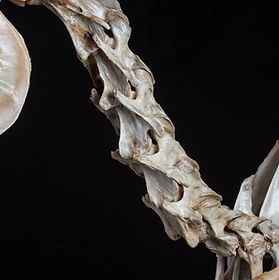
The Challenges of Interpreting Neck X-Rays in Horses
An abnormality on an X-ray does not necessarily mean that a horse is in pain or has a current or future problem. For example, X-ray changes that look like osteoarthritis do not always cause pain.
318 Views

Sue Dyson
11 Minute Read
Training & Management
22 Sept 2026
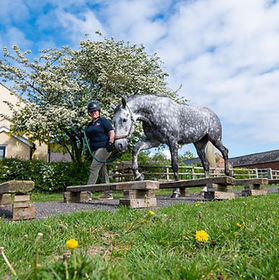
What Walk Poles Reveal
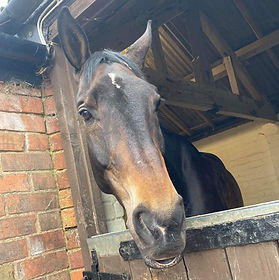
There are so many benefits to walk poles and you may be thinking that they look simple, but never underestimate them. Walk poles are one of the most powerful exercises we can use to improve posture, coordination, body awareness and control.
908 Views
Gillian Higgins
5 Minute Read
Training & Management
2 Sept 2026
When “Sound” Isn’t Simple
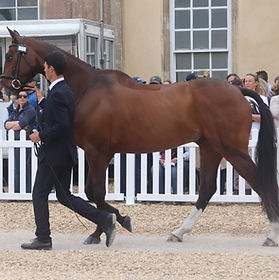
Horse inspections are crucial to eventing welfare and public confidence, yet assessing a fit, excited horse in-hand remains inherently subjective. Dr Sue Dyson examines whether objective gait analysis could improve decision-making at three-day events, and why current lameness thresholds may not yet offer a clear answer.
450 Views
Sue Dyson
3 Minute Read

Training & Management
22 Aug 2026
Are We Doing Enough for Equine Wellness and Welfare?
Equine welfare is something that's at the forefront of all of our minds. With so much happening in the equestrian world from a social license perspective, but also just becoming so much more aware of the horses that we love and that we work with.
279 Views
Horses Inside Out
3 Minute Read
Training & Management
12 Aug 2026
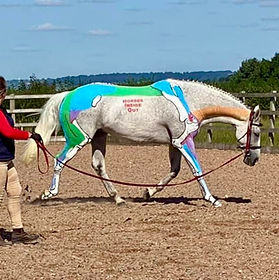
How to Keep Your Horse Sound
Soundness isn't just something that happens to your horse, it's something you can actively build. Gillian Higgins helps you to understand how your horse's body works, and shares a few simple changes to how you care, ride, and train him can help strengthen the structures that keep him going, and give him the best chance of a long, active life.
809 Views
Gillian Higgins
5 Minute Read